Retrofit vs Full-Frame Window Replacement: Which Is Right for Your Home?
Quick Answer: The biggest difference between retrofit and full-frame window replacement is how much of the existing window structure is removed.
A retrofit installation places a new window into the existing frame when the original frame remains structurally sound. A full-frame replacement removes the entire window assembly, including the frame, allowing installers to inspect and repair hidden damage before installing a completely new system.
For many stucco homes throughout the Sacramento Valley, retrofit installations using flush fin windows or Z-bar window installation methods can provide excellent results while minimizing exterior disruption. However, homes with moisture damage, deteriorated framing, or significant structural issues often benefit from full-frame replacement.
If you’re considering your options, learning more about professional window replacement services can help you understand which approach fits your home.
What Is Retrofit Window Replacement?
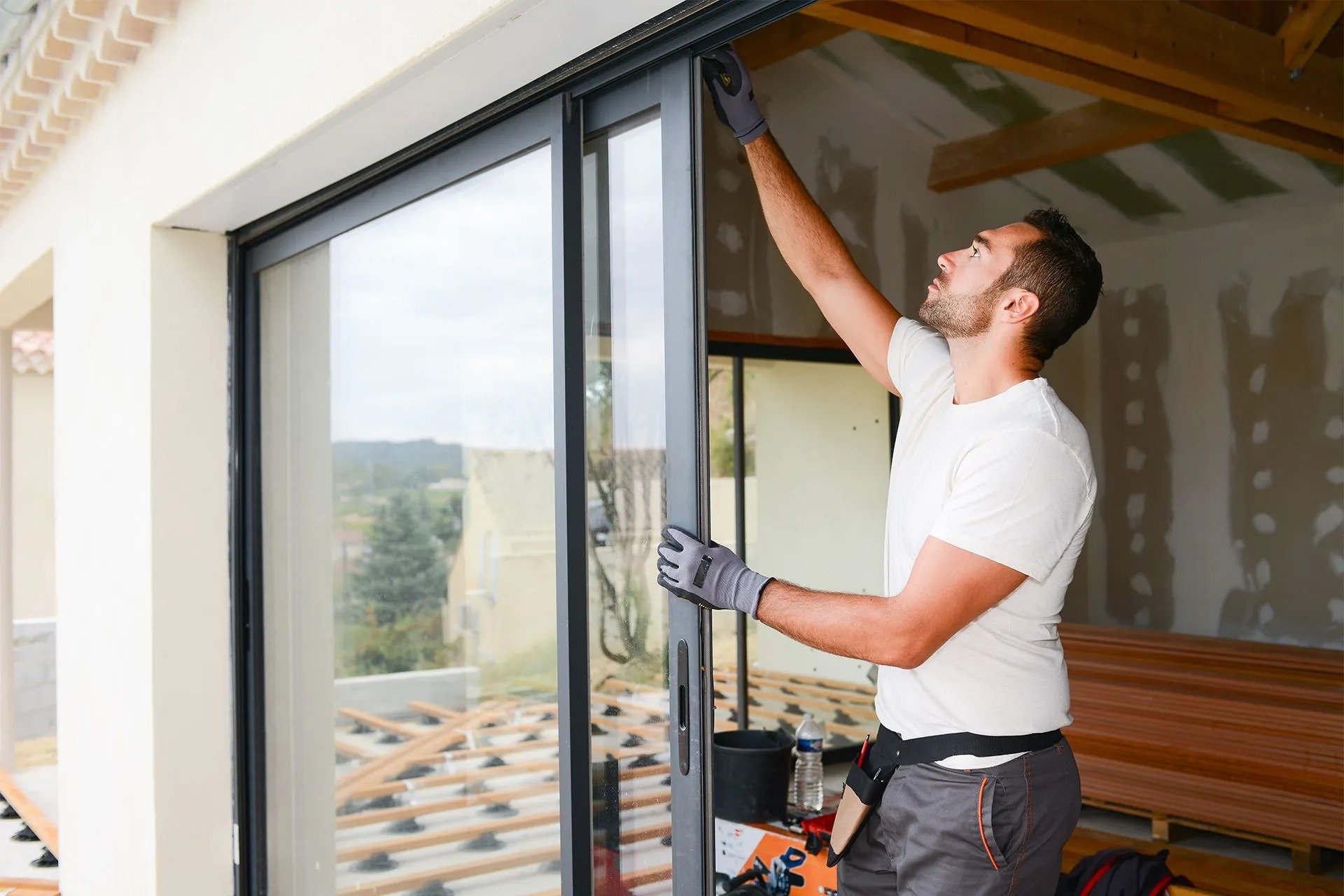
Retrofit window replacement is often called an insert installation because the existing window frame remains in place. The old operating portions of the window are removed while the original frame stays intact.
This method works best when the current frame is square, structurally sound, and free from moisture damage or deterioration. Instead of tearing into surrounding materials, installers fit a new window unit into the existing opening and seal it properly.
One reason homeowners choose retrofit windows is the reduced disruption during installation. Projects typically move faster, exterior finishes remain largely untouched, and less demolition is required.
In many Sacramento Valley neighborhoods built during the 1980s, 1990s, and early 2000s, we’ve found that original frames often remain in good condition even when the glass, seals, and operational components have reached the end of their useful life. In those situations, retrofit installations can provide significant energy-efficiency improvements without unnecessary reconstruction.
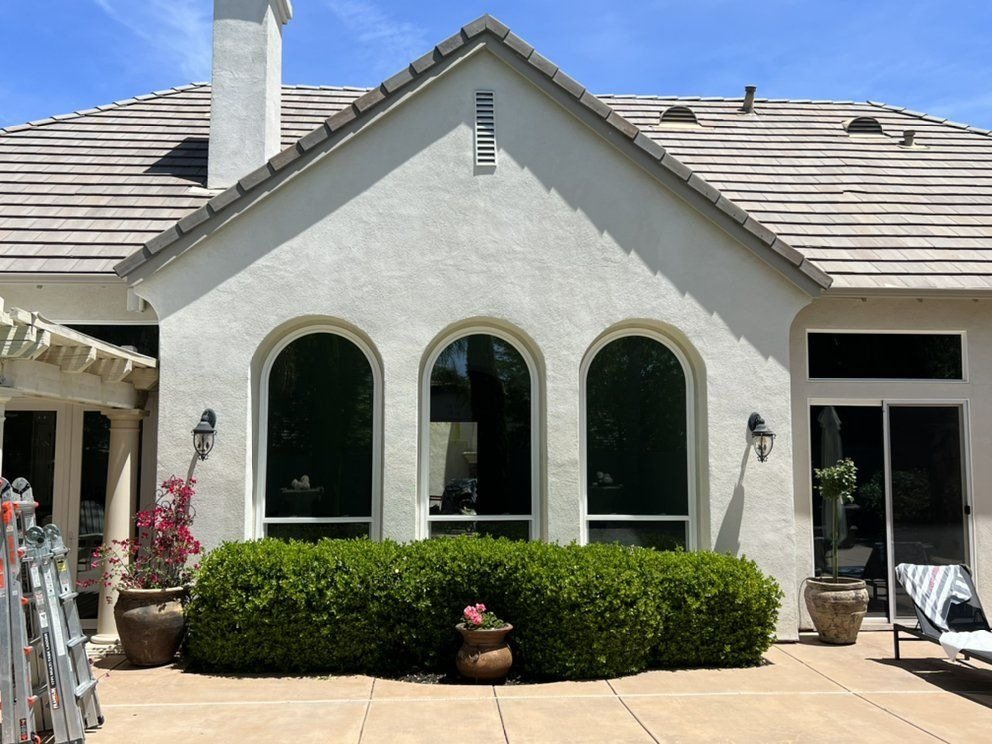
Retrofit systems are especially common in stucco-clad homes because they often avoid extensive exterior repairs. However, keeping the existing frame means any hidden issues behind that frame remain concealed.
What Is Full-Frame Window Replacement?
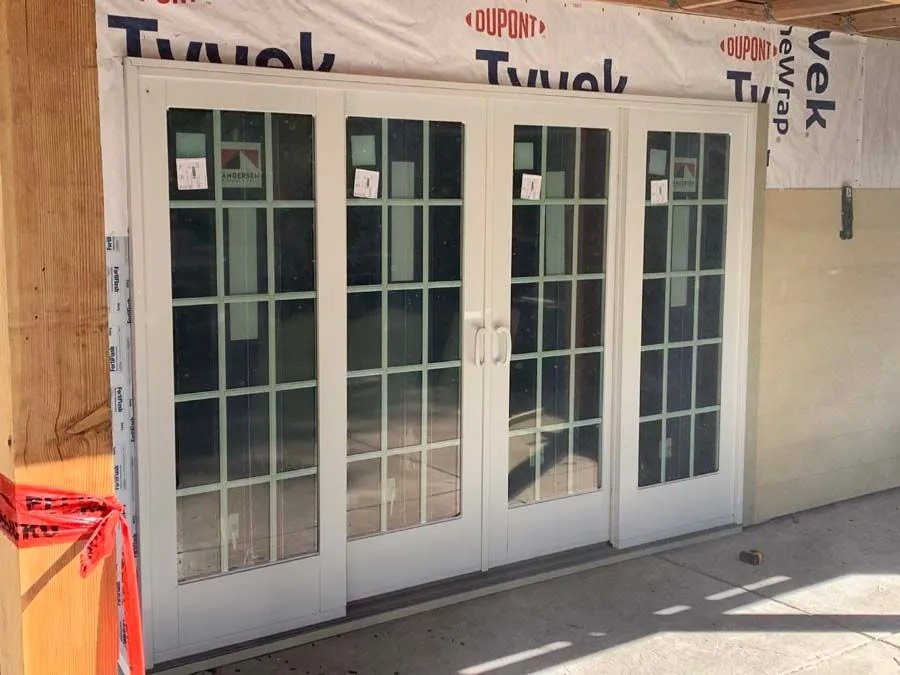
A full-frame window replacement removes everything down to the rough opening. The sash, frame, trim, and surrounding components are removed before the new window system is installed.
This approach provides complete access to the wall cavity surrounding the window opening. Installers can inspect framing, insulation, flashing, and moisture protection systems before installing the new unit.
A homeowner should choose full-frame replacement when the existing frame has moisture damage, wood rot, structural deterioration, installation defects, or insulation problems that need correction.
Full-frame replacement also allows greater flexibility when changing window sizes, updating architectural styles, or correcting older installation issues.
In older neighborhoods such as East Sacramento and Land Park, full-frame projects frequently uncover issues that were invisible before removal. Damaged framing, aging insulation, and moisture intrusion are not uncommon in homes that have undergone decades of seasonal expansion, contraction, and weather exposure.
The tradeoff is that full-frame replacement generally requires more labor, additional finish work, and a larger project scope.
What Are Flush Fin Windows and Z-Bar Window Installations?
Many homeowners researching replacing windows without removing stucco eventually encounter terms like flush fin windows and Z-bar window installation. These systems are particularly important throughout California.
A flush fin window features an exterior flange that covers the original window frame from the outside. Rather than removing surrounding stucco, the new window sits over portions of the existing frame while creating a finished appearance.
Z-bar installations operate similarly by creating an overlap between the new window and the existing structure. Both methods are designed to minimize disruption to exterior finishes while providing a clean installation.
For homes throughout Roseville, Folsom, Elk Grove, and much of the Sacramento Valley, these systems offer practical advantages because stucco repair can add complexity and cost to a project.
In our experience, many homeowners assume every window replacement requires tearing into the stucco. The reality is that properly designed flush fin windows often allow installers to preserve the exterior while still achieving excellent weather protection, air sealing, and energy performance.
That doesn’t mean flush fin windows are automatically the right solution. The condition of the underlying frame remains the deciding factor.
If the existing structure is compromised, preserving it simply hides the problem.
Can You Replace Windows Without Removing Stucco?
Yes. In many situations, windows can be replaced without removing stucco.
This is one of the most common questions homeowners ask when evaluating retrofit window benefits. Modern flush fin windows and Z-bar window installation methods are specifically designed to work with many stucco-clad homes.
The answer depends on the condition of the existing frame and surrounding materials. If the frame remains solid and there are no signs of moisture intrusion or deterioration, installers can often complete a retrofit installation without disturbing the stucco.
This matters throughout the Sacramento Valley because stucco remains one of the most common exterior finishes found on homes built over the last several decades.
Many national articles discuss retrofit windows without addressing California’s heavy use of stucco construction. That omission creates confusion for homeowners researching their options.
Another factor involves aesthetics. Properly executed flush fin installations can maintain a finished appearance while avoiding the patching, texture matching, and repainting often associated with exterior demolition.
Homeowners considering retrofit projects should also understand that some situations still require additional finish work. When surrounding materials show signs of deterioration, professional evaluation becomes especially important.
For homeowners interested in the installation process itself, understanding how professional window installation works can provide valuable context before selecting an approach.
What Are the Benefits of Retrofit Windows?
Retrofit windows offer several advantages when existing frames remain in good condition.
The most obvious benefit is reduced project scope. Less demolition often means shorter installation timelines and fewer disruptions inside and outside the home.
Cost savings are another reason retrofit installations remain popular. Because installers preserve portions of the original structure, labor requirements may be lower than for a full-frame project.
Energy performance can also improve dramatically. Older windows frequently suffer from failed seals, inefficient glass packages, air leaks, and worn hardware. Upgrading these components can significantly improve comfort.
Throughout Sacramento’s hot summers, homeowners often notice improvements in rooms that previously struggled with heat gain during the afternoon. Energy-efficient glass packages help reduce solar heat transfer while improving indoor temperature consistency.
According to the ENERGY STAR program, properly selected energy-efficient windows can contribute to improved home performance and reduced energy consumption.
Another benefit is noise reduction. Homes near Interstate 80, Highway 50, and other busy commuter corridors frequently experience noticeable improvements when outdated windows are replaced with modern dual-pane systems.
What Are the Pros and Cons of Full-Frame Window Replacement?
Understanding the full-frame window pros and cons helps homeowners determine whether the additional investment makes sense for their situation.
The biggest advantage is complete access to the window opening. Installers can evaluate framing, insulation, moisture protection, and structural components before the new window goes in. This creates an opportunity to correct problems that would otherwise remain hidden.
Full-frame replacement also provides maximum design flexibility. Homeowners can alter window configurations, update trim details, and modernize older openings more easily than with retrofit systems.
The downside is increased complexity. More demolition typically means more labor, more finish work, and potentially higher project costs.
Projects may also require additional work around siding, trim, stucco, or interior finishes, depending on the home’s construction.
In our experience, the homeowners who benefit most from full-frame replacement are often those dealing with recurring drafts, water intrusion, deteriorating wood frames, or windows that were improperly installed decades ago. Once the original frame is removed, installers frequently discover conditions that explain years of comfort and performance problems.
The key is understanding whether those hidden risks actually exist before choosing a replacement strategy.
How Do Window Replacement Costs Compare?
One of the most common concerns surrounding window replacement costs is whether the additional expense of full-frame replacement delivers enough value to justify the investment.
Generally speaking, retrofit installations cost less because they require less labor and fewer materials. The existing frame remains in place, reducing demolition and reconstruction work.
Full-frame replacement often carries a higher upfront cost because installers remove and rebuild more components. However, focusing solely on the initial price can sometimes be misleading.
For example, a retrofit installation may appear less expensive initially. But if hidden moisture damage exists behind the frame, those issues can continue to worsen over time. In those situations, addressing the problem during a full-frame project may provide better long-term value.
The opposite can also be true. Many homeowners pay for full-frame replacement when a retrofit installation would have achieved the same performance goals without unnecessary reconstruction.
This is why professional evaluation matters.
A proper inspection should identify:
- Frame condition
- Moisture intrusion
- Insulation deficiencies
- Structural concerns
- Exterior finish considerations
- Long-term performance goals
The best investment is not always the cheapest option. It is the option that solves the actual problem without paying for work that is not needed.
Which Option Works Best for Older Sacramento-Area Homes?
The age and construction style of a home often influence whether retrofit or full-frame installation makes the most sense.
Homes throughout East Sacramento and Land Park frequently feature older wood-framed construction. Decades of exposure to seasonal temperature changes, moisture, and settling can affect frame condition. These homes often benefit from more extensive evaluation before a replacement method is selected.
By contrast, many neighborhoods throughout Roseville and Folsom experienced major growth during the 1980s, 1990s, and early 2000s. In many of these homes, the original frames remain structurally sound even though the windows themselves are no longer performing efficiently.
That distinction is important.
A homeowner living in a 25-year-old stucco home may be an excellent candidate for a flush fin retrofit installation. Meanwhile, a homeowner in an older property with signs of deterioration may benefit more from a full-frame approach.
The Sacramento Valley climate adds another layer to the decision. Triple-digit summer temperatures place tremendous stress on aging window systems. At the same time, evening Delta Breeze cooling creates significant temperature swings that expose air-sealing weaknesses.
In many cases, installation quality becomes just as important as the replacement method itself. Proper sealing and insulation help homeowners retain cooler indoor temperatures while reducing HVAC strain during the hottest months of the year.
How Do Professionals Decide Between Retrofit and Full-Frame Installation?
Professionals rarely start by asking which method a homeowner prefers. Instead, they begin by evaluating the condition of the existing structure.
The first step is determining whether the current frame remains structurally sound. If the frame is stable, square, and free from deterioration, retrofit options may be appropriate.
If signs of moisture damage, wood decay, installation defects, or structural concerns appear, full-frame replacement becomes more attractive.
Professionals also consider:
- Exterior finish materials
- Home age
- Window configuration changes
- Energy-efficiency goals
- Long-term maintenance concerns
- Budget priorities
In our experience evaluating Sacramento Valley homes, stucco construction frequently influences the conversation. Many homeowners initially request full-frame replacement because they assume it is the superior option. After inspection, some discover that their existing frames remain in excellent condition, and a flush fin retrofit installation can deliver outstanding results while preserving exterior finishes.
We’ve also encountered the opposite situation. A seemingly straightforward retrofit project revealed hidden water damage behind the frame. In those cases, removing the entire assembly allowed repairs that would have otherwise gone unnoticed.
The best decision comes from understanding the condition of the home rather than choosing a replacement method based solely on cost or marketing claims.
For homeowners exploring replacement options, reviewing available energy-efficient new windows can help clarify which products pair best with each installation approach.
Which Window Replacement Method Is Best for Your Home?
There is no universal winner in the retrofit vs full-frame window replacement debate.
Retrofit windows often make sense when existing frames remain structurally sound, and homeowners want to improve efficiency while minimizing disruption. Flush fin windows and Z-bar window installation methods can be especially effective for many stucco homes throughout the Sacramento Valley.
Full-frame replacement becomes the stronger option when hidden damage, aging framing, insulation deficiencies, or design changes need to be addressed.
The most important factor is accurate diagnosis.
A professional evaluation can identify whether your current window system provides a solid foundation for retrofit installation or whether deeper issues require a full-frame solution.
Making the right choice today can improve comfort, lower energy costs, reduce maintenance concerns, and extend the lifespan of your investment for years to come.
If you’re uncertain which approach fits your home, speaking with an experienced local window specialist is often the fastest way to get clarity.
Frequently Asked Questions About Retrofit and Full-Frame Window Replacement
Is retrofit window replacement cheaper than full-frame replacement?
Yes. Retrofit window replacement is generally less expensive because it preserves the existing frame and requires less labor. However, a lower upfront cost does not automatically make it the best value if hidden structural issues exist.
Can retrofit windows be installed in stucco homes?
Yes. Retrofit windows are commonly installed in stucco homes using flush fin windows and Z-bar installation methods. These systems often allow replacement without extensive stucco removal when the existing frame remains in good condition.
Do retrofit windows improve energy efficiency?
Yes. Modern retrofit windows can significantly improve energy efficiency by replacing outdated glass, seals, and operating components. Many homeowners notice improved comfort and reduced heat transfer after installation.
How do I know if my window frames are still good?
A professional inspection is the most reliable way to determine frame condition. Signs of concern may include moisture damage, wood deterioration, warping, air leaks, or visible structural issues.
Is a full-frame replacement worth the extra cost?
Yes, when hidden problems need to be corrected. Full-frame replacement allows installers to address structural concerns, insulation deficiencies, and moisture damage that retrofit installations cannot reach.
How long do replacement windows typically last?
Quality replacement windows can last for decades when properly installed and maintained. Product quality, installation methods, climate conditions, and ongoing maintenance all influence long-term performance.
Get Expert Guidance Before Choosing Retrofit or Full-Frame Replacement
Every home tells a different story. What works perfectly for one property may not be the right solution for another.
At Superior Window, we’ve spent more than 35 years helping homeowners evaluate window replacement options based on actual conditions rather than assumptions. Our team carefully assesses existing frames, exterior materials, energy-efficiency goals, and long-term performance needs before recommending an installation approach.
Whether your home may benefit from a retrofit installation, flush fin windows, Z-bar window installation, or a complete full-frame replacement, we’ll provide honest guidance focused on what makes the most sense for your property.
Our energy-efficient products, DOUBLE Lifetime Transferable Warranty, and commitment to quality installation have helped more than 10,000 homeowners improve comfort, efficiency, and peace of mind since 2002.
When you’re ready for personalized recommendations, schedule your free in-home estimate and let our team help you choose the right window replacement solution for your home.